The core of a wiring harness consists of 5 major components, all of which are indispensable!
A wiring harness is not simply composed of “wires and tape”; instead, it is precisely assembled from 5 core components! Today, let’s break down the structure of wires to understand the role and selection points of these materials, giving you a comprehensive understanding of the “internal structure” of a wiring harness.
A qualified wiring harness is made up of five core components: wires, terminals, connectors, insulation sleeves, and bundling materials. Each component has its unique role and none can be omitted.
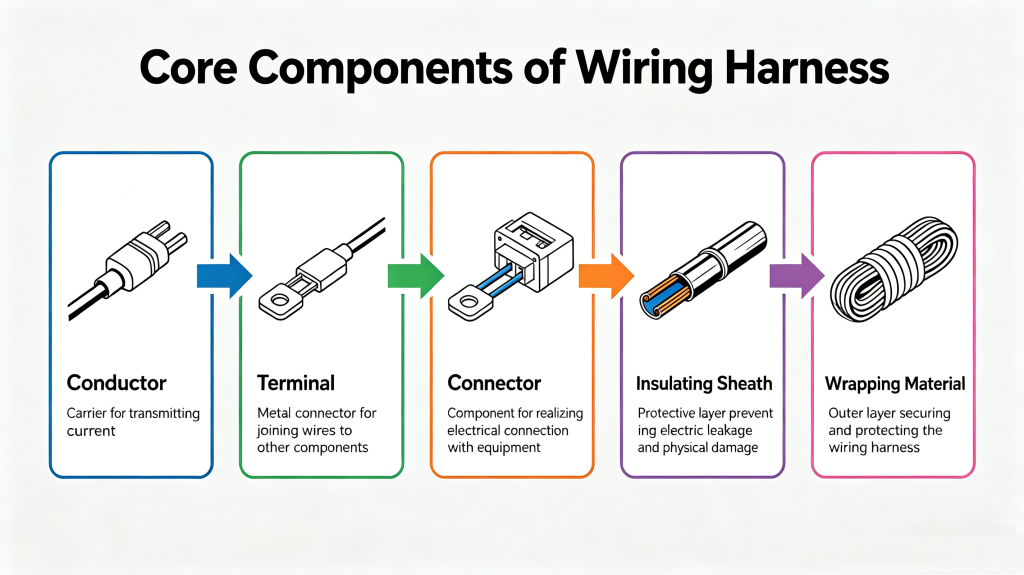
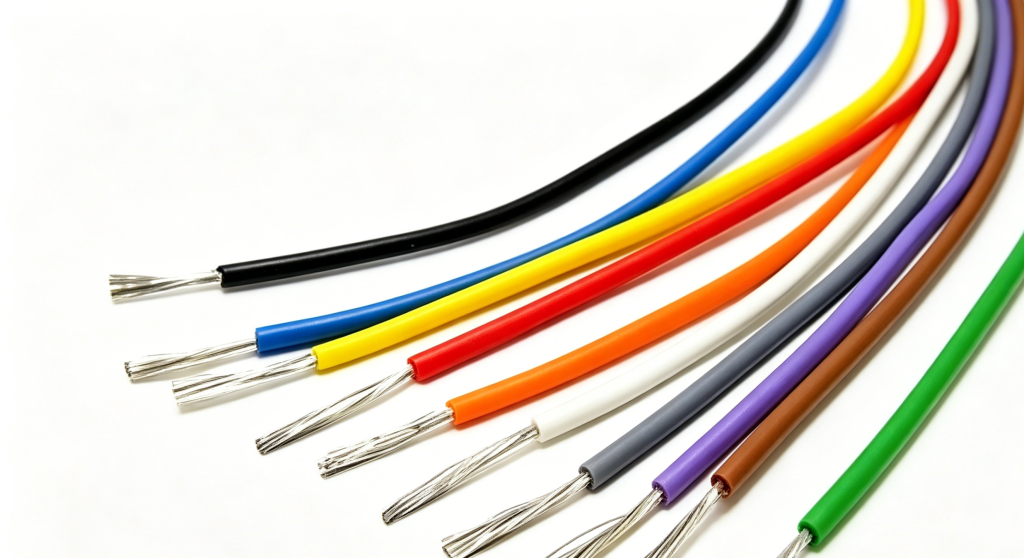
1. Wires: The ‘carrier’ of power/signals. The core material is copper (good conductivity), with an outer insulation layer (PVC, silicone, etc.). Its function is to transmit current and signals. Selection key: Choose wire gauge (AWG specification) and insulation material according to current size and environmental temperature.
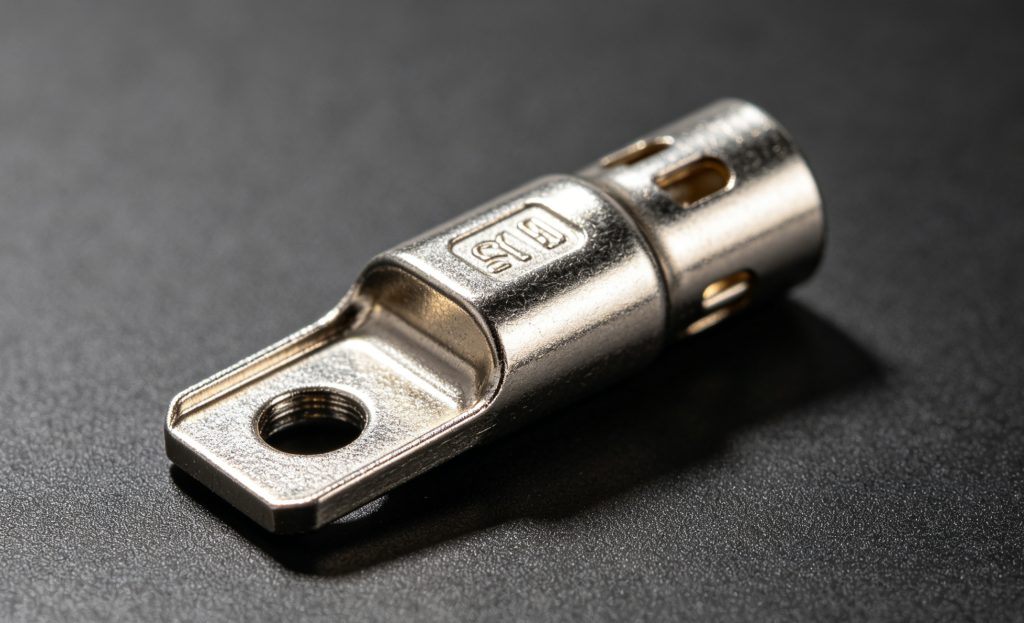
2. Terminals: The ‘core hub’ for connection. Made of metal (tin-plated/gold-plated), terminals are fixed to wires via crimping/soldering, connecting wires to connectors and devices. Selection key: Match wire gauge; gold-plated terminals are suitable for high-end devices (anti-oxidation, stable conductivity).
3. Connectors: The ‘interface’ for quick connection. Composed of plastic housing and metal pins, connectors come in male and female types and allow rapid plug-and-play between harness-to-device or harness-to-harness. Selection key: Choose waterproof, dustproof, and high-temperature-resistant models based on usage environment.

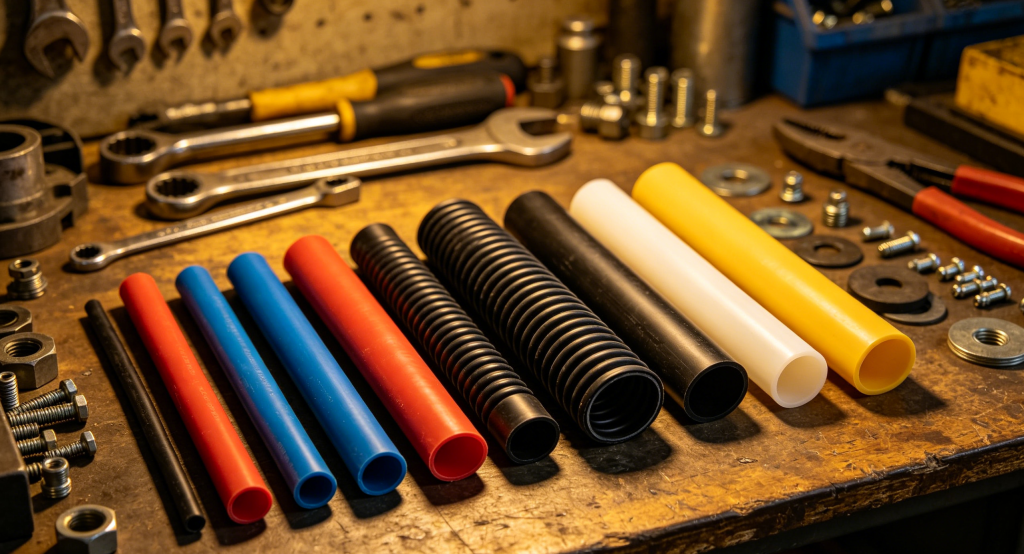
4. Insulation Sleeves: The ‘outer protective garment’ for safety. Includes various protective tubes like heat shrink tubing, corrugated tubing, PVC sleeves, and open wire covers, completely encasing wires, terminals, and connection points. Core functions for multi-layer protection: prevents electric leakage and insulation, resists abrasion from sharp metallic surfaces, prevents water, oil, and corrosion, withstands high temperatures and fire, and cushions vibrations to minimize wire wear and breakage. Selection key: For automotive or harsh construction environments with vibration, choose corrugated tubing for flexibility, impact resistance, and corrosion resistance; use heat shrink tubing for small branches or connection points for waterproof sealing; rigid PVC sleeves suit fixed straight routing without bends; flame-retardant fiberglass sleeves are suitable for high-temperature engine areas.
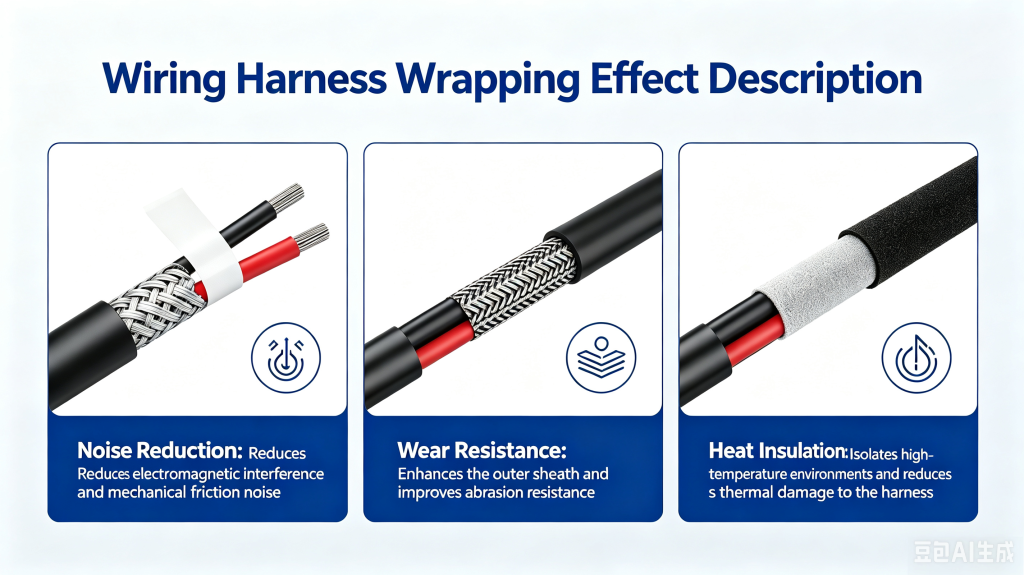
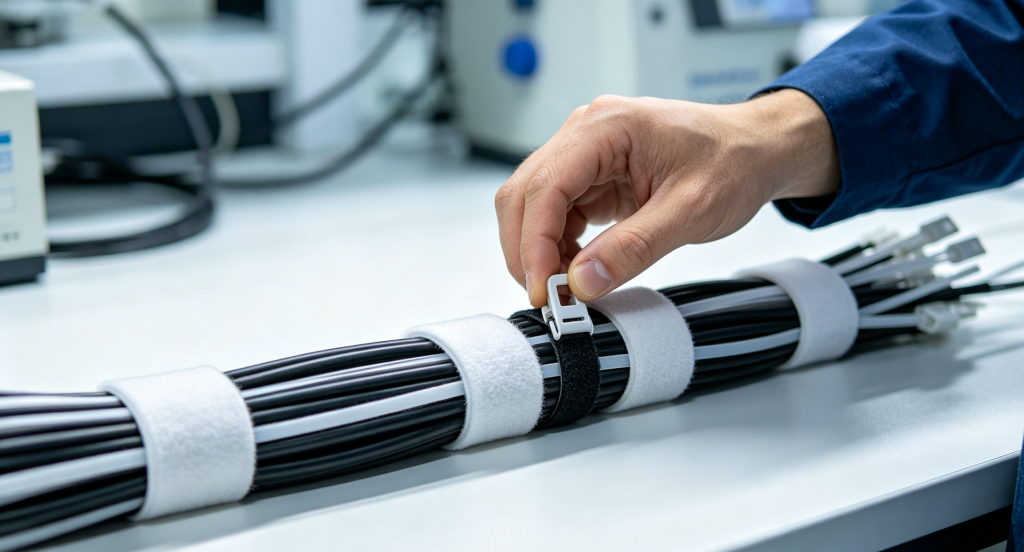
- Bundling Materials: The ‘skeleton’ of the harness. Includes nylon ties, fabric tapes, PVC insulation tape, braided sleeves, sponge tapes, etc., to neatly bundle and fix multiple loose wires, controlling routing, preventing friction and short circuits, while providing noise reduction, abrasion resistance, and thermal protection. Selection key: In high-temperature areas like engine compartments, use high-temperature flame-retardant ties and fiberglass braided sleeves; the main trunk harness of a vehicle often uses fabric tape for noise reduction, shock absorption, and abrasion protection; areas around car body metal use sponge tape for cushioning and noise reduction; simple interior wiring uses PVC tape; for long-distance harness protection, braided sleeves enhance wear resistance.