shanyou

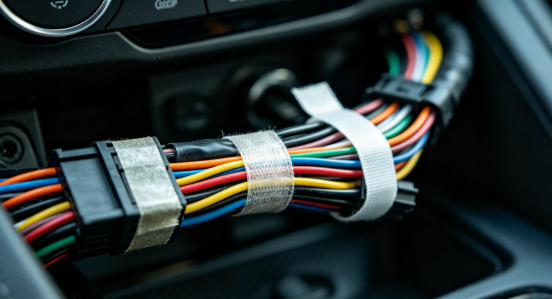
Wire Harness Labeling & Marking:Why It’s More Than Just “Sticking a Tag”

In wire harness and custom cable assembly manufacturing, wire labeling and component marking are often mistakenly treated as minor, secondary tasks. Some assume that as long as a wire number, part number, or barcode is somewhat visible, the job is done. In reality, wire identification is a critical element of engineering traceability, error-proofing (Poka-Yoke), installation …

Wire Harness Labeling & Marking:Why It’s More Than Just “Sticking a Tag” Read More »
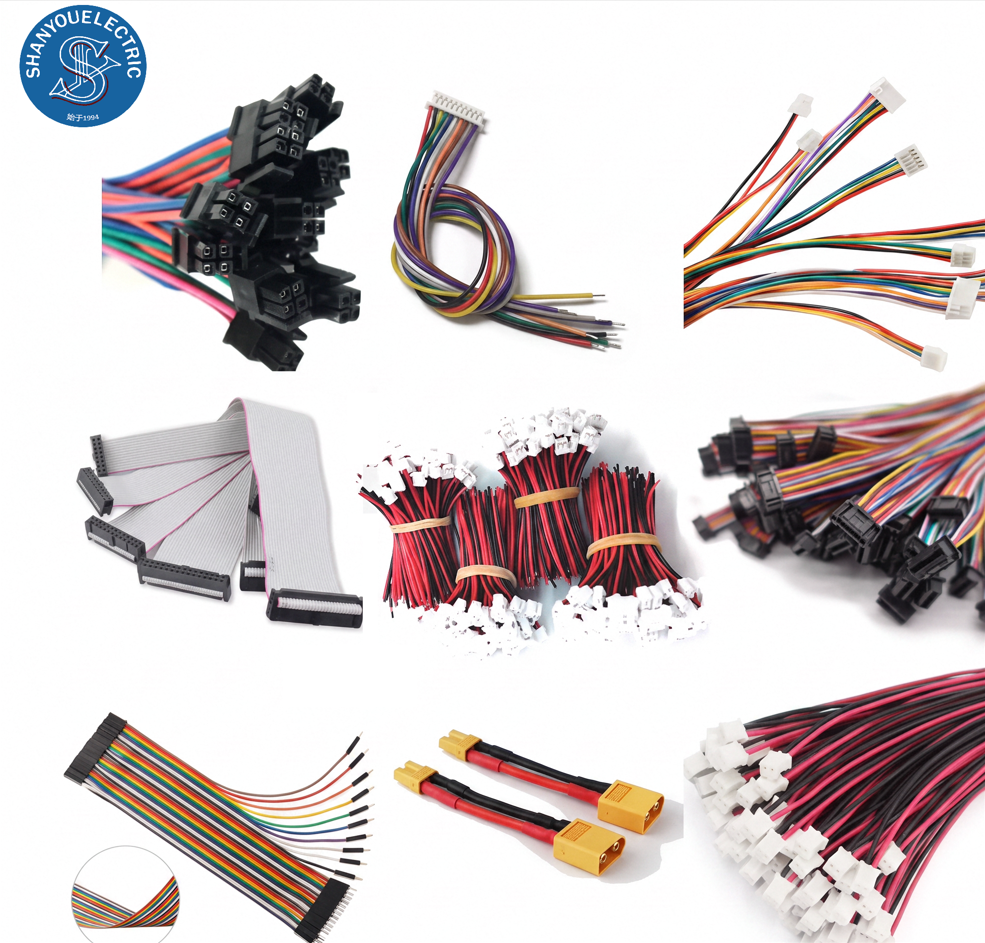
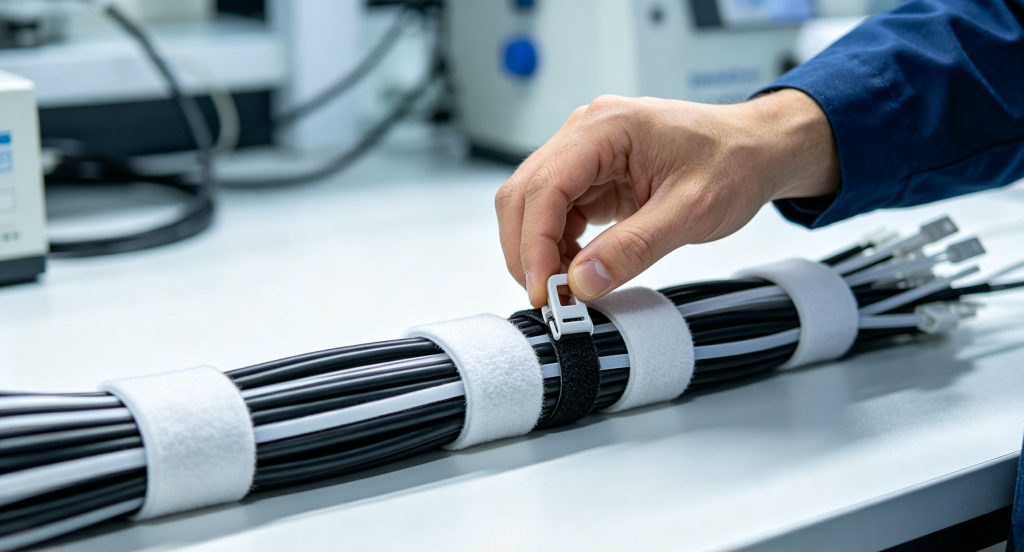
Harness Welding Process IPC Standard

Do you know about the IPC standards for wire harness welding processes? In the wire harness industry, to ensure consistency and high reliability of solder joints, the IPC standards establish strict regulations on welding materials, bonding conditions, and process details. All high-end wire harness welding operations must strictly follow these standards to guarantee product quality. …

Harness Welding Process IPC Standard Read More »

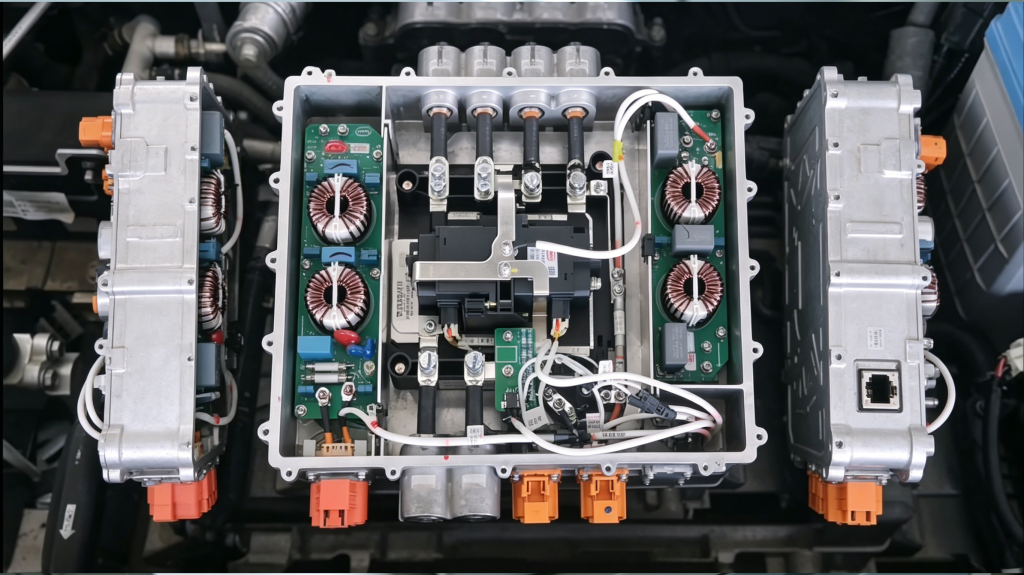
The core of a wiring harness consists of 5 major components, all of which are indispensable!

The core of a wiring harness consists of 5 major components, all of which are indispensable! A wiring harness is not simply composed of “wires and tape”; instead, it is precisely assembled from 5 core components! Today, let’s break down the structure of wires to understand the role and selection points of these materials, giving …

The core of a wiring harness consists of 5 major components, all of which are indispensable! Read More »

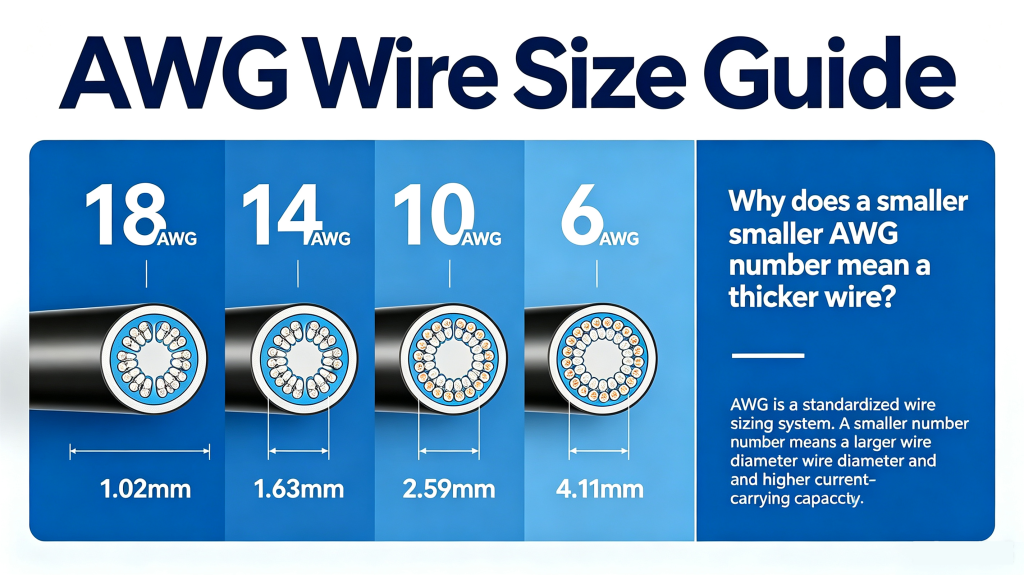
Why does a smaller AWG number mean a thicker wire?

Many people get confused when looking at wire specifications in terms of AWG. Intuitively, they expect that a smaller number would indicate a thinner wire, but actually, the opposite is true. The lower the AWG number, the thicker the wire, which seems counterintuitive and confusing at first. In fact, AWG is the American Wire Gauge …

Why does a smaller AWG number mean a thicker wire? Read More »